
Finding the right pair of jeans can change how comfortable and confident your everyday outfits feel. The fit affects how jeans sit on the waist, move around the legs, and work with different shoes and tops. For shoppers interested in Japanese denim, orSlow offers several jean styles that suit different preferences and daily routines. Some people prefer a straight leg with a classic shape, while others want more room through the thigh and lower leg. Knowing how each fit works can make shopping easier and help you choose jeans that feel right for regular wear.
Why Fit Matters When Choosing Everyday Jeans
A good pair of jeans should feel comfortable during a full day without losing the shape you like. The waist should sit naturally, while the seat and thighs should give you enough room to walk, sit, and move. Leg shape also affects the way jeans look with sneakers, boots, loafers, and other footwear. With orSlow, the fit can give an outfit a different character even when the rest of the clothing stays the same.
Japanese denim often appeals to shoppers who enjoy traditional workwear details and carefully developed cuts. orSlow Clothing follows that general approach through pieces inspired by older workwear and military garments. When choosing jeans for everyday use, think about your normal activities first. A relaxed fit may work well for casual weekends, while a straight fit can offer a cleaner shape for daily outfits, office-casual settings, and evenings out.
Straight Fit Jeans for a Classic Everyday Look
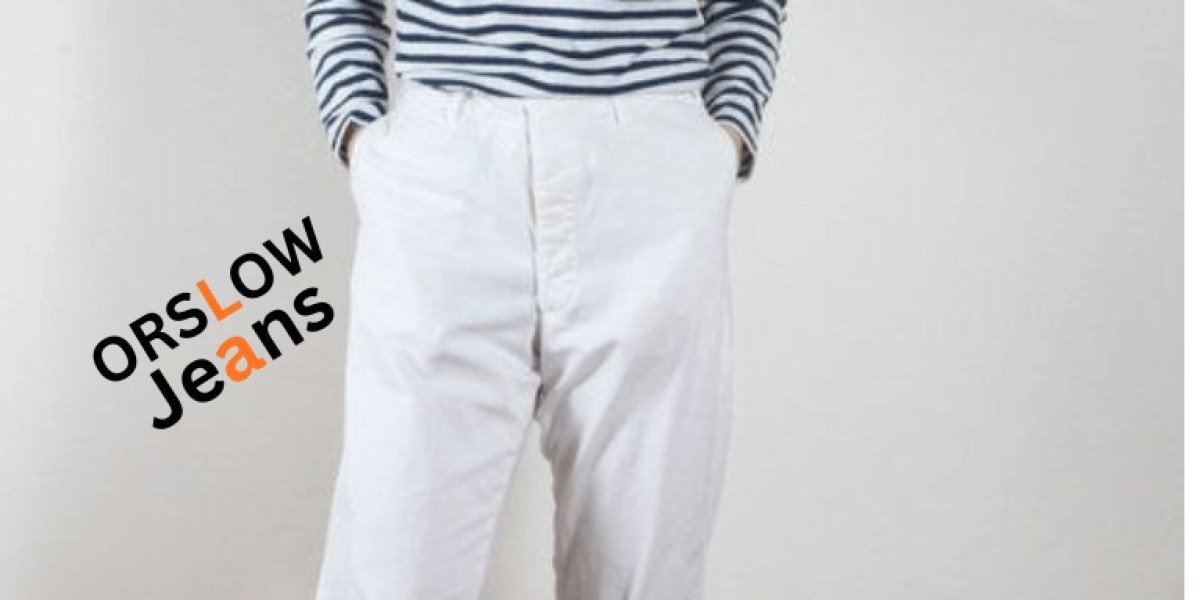
Straight-leg jeans remain a popular choice because they have a balanced shape from the thigh toward the ankle. They do not hug the legs closely, but they also avoid the extra width found in wider cuts. This makes a straight fit easy to wear with simple T-shirts, work shirts, sweatshirts, jackets, and sneakers.
For shoppers comparing different orSlow Shorts fits, a straight leg can be a comfortable place to start. The shape works well with many types of footwear and does not depend on a particular fashion trend. You can wear straight jeans with a tucked shirt for a cleaner outfit or leave a T-shirt untucked for a relaxed weekend look. The result depends more on the size and styling than on adding lots of extra pieces.
A straight fit can also suit people who want their jeans to keep a familiar denim shape. If you usually wear traditional five-pocket jeans, this cut may feel natural from the first wear. It can also work well for people moving away from skinny jeans but who do not want a very loose silhouette.
Relaxed Fits for More Room and Comfort
Relaxed jeans give the legs more space, especially around the upper leg and thigh. They can feel better for people who dislike restrictive denim or spend long periods walking, traveling, or sitting. A relaxed shape also works well with the casual character often associated with workwear-inspired outfits.
When choosing orSlow Clothing for everyday wear, consider how much room you want around your legs. A relaxed cut can pair nicely with heavier sneakers, boots, overshirts, and loose jackets. The extra fabric creates a laid-back shape that works well for weekend outfits and casual city wear.
The right size still matters with a relaxed fit. Buying a size that is too large can make the jeans look wider than intended, while choosing a size that gives the correct waist and seat fit keeps the overall shape controlled. If you prefer a loose appearance, check the measurements instead of simply choosing a larger waist size.
Choosing a Classic Fit for Everyday Versatility
Some shoppers want jeans that sit between a slim shape and a relaxed cut. A classic fit can provide enough room for movement while keeping the legs visually balanced. This type of silhouette works well when you want one pair of jeans for many situations.
orSlow jeans can fit into this kind of wardrobe because their workwear roots make them easy to combine with simple everyday clothing. Try them with a plain sweatshirt and sneakers for a casual outfit. You can also wear them with a button-up shirt, jacket, and boots when you want a slightly sharper appearance.
A classic fit is also useful if you like changing your footwear. Jeans with a balanced leg opening can sit neatly over sneakers while still working with boots. That flexibility makes them a practical choice for people who prefer a smaller wardrobe with pieces that can be worn in many combinations.
How Denim Weight Affects Everyday Comfort
Fit is only one part of the buying decision. Denim weight can also change how jeans feel throughout the day. Heavier denim may feel firm when new and can take more time to soften, while lighter denim can feel easier to wear from the start.
Shoppers looking at orSlow US options should pay attention to the fabric information for each pair. Think about the climate where you live and when you plan to wear the jeans. Someone living in a cooler northern state may enjoy heavier denim during fall and winter, while someone in a warmer area may prefer lighter fabric for regular use.
Fabric also affects how jeans age. Many denim fans enjoy watching their jeans develop changes from repeated wear. Creases, fading, and softer areas can develop according to how often the jeans are worn and how they are cared for. This makes denim feel more personal over time.
Matching Jeans With the Rest of Your Wardrobe
The best everyday jeans should work with clothing you already own. A straight pair can pair with a plain T-shirt, canvas jacket, sweatshirt, or flannel shirt. Relaxed jeans can work with oversized tops, work shirts, hoodies, and heavier outerwear.
orSlow Clothing can also be combined with other casual pieces without making an outfit look overly planned. If your wardrobe contains neutral colors such as navy, gray, olive, white, black, and brown, denim can fit naturally into those combinations. Sneakers create a casual finish, while leather boots can give the same jeans a more rugged appearance.
You can also look beyond denim when building everyday outfits. orSlow Fatigue Pants offer another option when you want a military-inspired trouser instead of jeans. They can be worn with many of the same tops and footwear, giving you a way to change the look without changing your overall style.
Jeans or Fatigue Pants for Daily Wear?
Denim and military-inspired trousers serve different purposes, so the better choice depends on your outfit and routine. Jeans usually give a familiar casual appearance and can work across many settings. Fatigue trousers bring a softer, more utilitarian feel and can add a different color and texture to an outfit.
orSlow Fatigue Pants are especially useful when you want to move away from blue denim without changing your everyday approach to dressing. Olive trousers with a white T-shirt and sneakers create a simple casual combination. You can also wear them with a denim jacket or work shirt for a more traditional workwear look.
For many wardrobes, there is no need to choose only one. Jeans can handle regular casual outfits, while fatigue trousers provide another option for days when you want a different shape or color. Both can work with the same shirts, jackets, and shoes.
How to Pick the Right orSlow Jeans Fit
Start by thinking about the jeans you already enjoy wearing. If you like a traditional leg shape, look for a straight or classic fit. If you prefer extra room and a looser appearance, a relaxed cut may suit you better.
Next, check the measurements rather than relying only on labels such as medium, large, straight, or relaxed. Waist size, rise, thigh width, knee width, and leg opening all affect how a pair will look and feel. A small difference in one measurement can change the overall silhouette.
When shopping through orSlow US retailers, also check the sizing notes for the specific model. Different cuts may fit differently even when they share the same waist measurement. If you are between sizes, compare the garment measurements with a pair of jeans you already own and like.
Think about how you plan to wear the jeans as well. If you spend most days in sneakers and T-shirts, a classic or straight cut may give you an easy daily option. If your style includes loose shirts, jackets, and boots, a relaxed shape may work better.
Building a Long-Term Denim Rotation
You do not need a large denim collection to create different everyday outfits. Two or three well-chosen pairs can cover many situations when they have different fits, colors, or fabric weights. One pair can offer a traditional straight silhouette, while another can provide more room through the legs.
orSlow gives denim fans a way to build that kind of rotation around workwear-inspired shapes. Instead of buying jeans based only on appearance, think about how each pair fills a gap in your current wardrobe. This approach can help prevent buying several pairs that look almost the same.
You can also rotate denim with orSlow Fatigue Pants throughout the week. Blue jeans may suit a simple weekend outfit, while olive fatigue trousers can add contrast on another day. Small changes in footwear, shirts, and outerwear can then create new combinations from the same group of clothes.
Care Tips for Everyday Denim
Taking care of jeans starts with understanding the fabric and following the care instructions provided for the specific pair. Avoid washing denim more often than needed if you want to preserve its original feel and appearance. When washing is needed, follow the recommended temperature and drying method.
orSlow US shoppers should also pay attention to the care label because denim construction and fabric treatments can differ between models. Air drying is often preferred for denim because high heat can affect fit and fabric over time. Before washing a new pair, check whether the jeans are designed to shrink and whether the brand recommends any special care.
Regular wear will naturally create changes in denim. Creases may appear around the knees, pockets, and waist, while areas that receive more friction can fade. These changes are part of the character of frequently worn jeans and can make a pair feel more personal over time.
FAQs About Choosing Everyday Jeans
Are straight-leg jeans good for everyday wear?
Yes. Straight-leg jeans offer a balanced shape that works with T-shirts, shirts, jackets, sneakers, and boots. They are a good option if you want a familiar silhouette that works across many casual outfits.
Should I choose relaxed jeans if I want more comfort?
A relaxed fit can be a good choice if you want more room around the thighs and legs. Still, check the waist and seat measurements so the jeans do not feel too loose in other areas.
How should I choose between jeans and fatigue pants?
Think about the outfit you want to create. Jeans offer a familiar denim look, while orSlow Fatigue Pants provide a military-inspired trouser option with a different color and texture.
Do Japanese jeans fit differently from American jeans?
They can. Cuts, measurements, rises, and leg openings may differ between brands and models. Always compare the actual measurements with jeans you already own instead of choosing a size based only on the label.
What should I wear with everyday Japanese denim?
Simple pieces work well, including T-shirts, sweatshirts, flannel shirts, work shirts, jackets, sneakers, and boots. Keeping the rest of the outfit simple lets the fit and denim shape stand out naturally.
Final Thoughts
Choosing everyday jeans comes down to comfort, proportions, fabric, and personal style. A straight fit works well for a classic appearance, while a relaxed cut gives more room and a looser shape. Classic silhouettes can sit between the two and offer plenty of outfit options. When comparing orSlow jeans, focus on measurements and think about how the pair will work with the clothes and shoes you already wear. With the right fit, Japanese denim can become a reliable part of an everyday wardrobe rather than a pair reserved for special outfits.