
When demanding equipment needs stable components, Precision Ceramics can provide practical advantages, while Precision Ceramics also support applications where dimensional consistency and material performance matter. Modern industrial systems often work under heat, friction, chemical exposure, electrical loads, or continuous movement, so the materials used inside them need to match real operating conditions. Ceramic components can offer a useful combination of hardness, thermal stability, insulation, and resistance to wear. Zfcera focuses on customized advanced ceramic materials and precision structural parts for industrial customers, supporting both standard products and non-standard processing.
Material Choices For Different Applications
Not every ceramic component needs the same material. Zirconia, alumina, aluminum nitride, silicon nitride, and silicon carbide each have different characteristics, making material selection an important part of product development. The right choice depends on factors such as working temperature, mechanical load, electrical requirements, surface conditions, and the surrounding environment.
For example, zirconia can be considered when toughness and dimensional stability are important, while alumina is commonly used where insulation, hardness, and general durability are needed. Silicon nitride and silicon carbide can serve demanding industrial applications where thermal and mechanical performance are important. Selecting the material according to the actual working environment helps manufacturers avoid unnecessary changes later in production. ZFCERA supports multiple advanced ceramic material options for different industrial requirements.
Zfcera Precision Manufacturing
A ceramic part is not finished simply because it has been formed. Its final performance can depend heavily on shaping, sintering, grinding, polishing, cleaning, and inspection. ZFCERA describes a production process covering raw materials, forming, sintering, precision machining, cleaning, inspection, and packing.
This process allows different production stages to work together instead of treating machining as a separate activity. Depending on the project, forming methods can include dry pressing, cold isostatic pressing, or injection molding. Precision machining is then used to achieve the required dimensions and surface conditions. The company states that its machining capability can reach dimensional tolerances of up to ±0.001 mm for suitable applications.
Components Designed Around Real Equipment
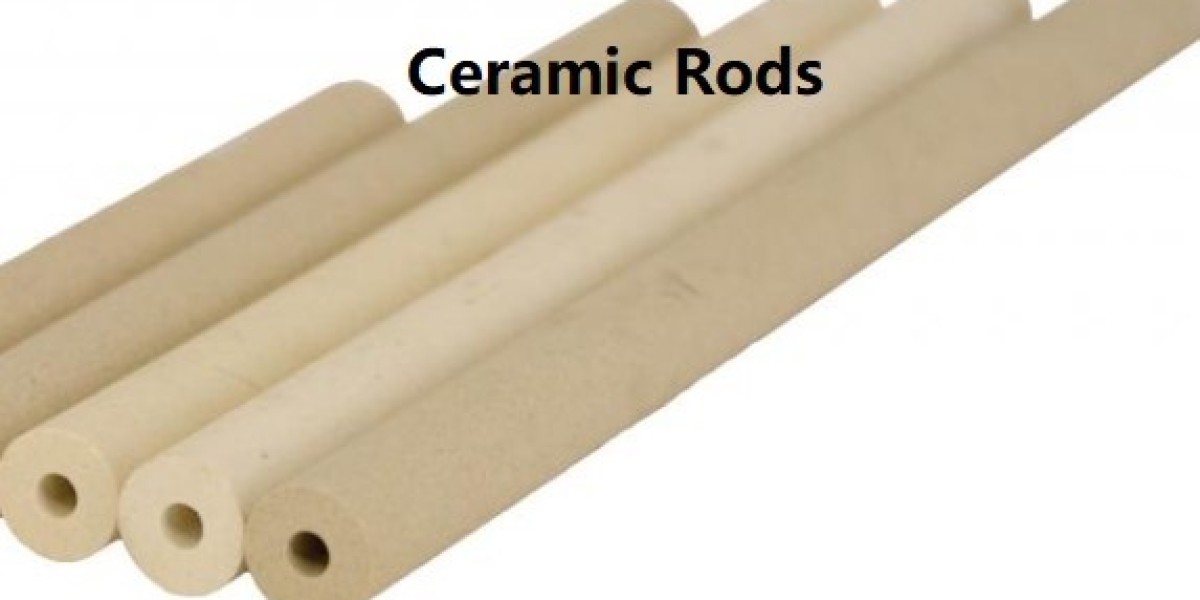
Industrial ceramic components are often small, but their role inside a machine can be important. Rods, tubes, plates, sheets, rings, plungers, sleeves, nozzles, valves, and other structural parts can be designed for different mechanical or functional requirements.
Instead of using the same component design across every machine, engineers can adjust dimensions, geometry, material, and surface treatment according to the equipment. This approach can be useful for specialized machinery, semiconductor equipment, medical devices, electronics, chemical systems, metallurgy, and new-energy applications. ZFCERA also supports non-standard processing based on drawings or samples, helping customers move from an existing design toward sample production and later manufacturing.
From Drawing To Finished Component
Custom ceramic production becomes easier when communication starts with clear specifications. A customer can provide drawings, samples, dimensions, or application requirements. The technical team can then review the design, confirm material and processing details, prepare samples, and move toward mass production when the sample meets expectations.
This workflow is useful when standard catalog dimensions do not fit an existing machine. Small-batch proofing can also reduce unnecessary production commitments during the early development stage. ZFCERA states that it supports OEM and ODM orders as well as customized processing based on customer drawings and requirements.
Practical Ceramic Solutions For Industry
The value of a ceramic component comes from how well it performs inside the equipment where it is installed. A suitable design can help manufacturers address wear, heat, insulation, corrosion, or dimensional requirements without changing the entire machine structure. Careful material selection and controlled processing therefore remain important from the first drawing through final inspection.
For companies developing specialized equipment or replacing existing ceramic components, a direct discussion of material, dimensions, tolerances, surface requirements, and production quantity can make the sourcing process more efficient. Customers can explore available materials, structural components, and customized manufacturing options through the company website at https://www.zfcera.com/ .