
Understanding The Need For Efficient Subsurface Drainage
Water management is also that construction requirement which often remained in shadow, but has a significant contribution in the life of landscaped or built surface. At the other hand, something like a garden, terrace, podium, green roof or paved area are more visible from above while the drainage arrange below them is hidden. However, if too much water cannot properly move away, the visible surface could eventually display signs of trouble. Water may pool, soil becomes too moisture-laden, plant roots are put under stress and moisture forces pressure on below ground construction layers. A Drainage Cell it creates a fixed void space for captured water to move through under the surface, following a route towards designed collection and discharge points. Finally, unlike loose drainage aggregates that create a random non-distinct layer and voids in between, cellular modules form an organized continuous drainage layer where spacing is consistent. This can be useful where available construction depth is at a premium or in reducing unnecessary dead load.
Lightweight Construction Benefits
A drainage cell system is more lightweight compared to similar thicknesses of granular drainage material. This is particularly helpful in parts of a landscape that are elevated and/or require structural loading to be taken into account. Mass transport of aggregate to the rooftop or podium necessitates additional labor, storage space and handling. In contrast, modular Drainage Cell Exporterare more easily transported and arranged. The specific geometry that they form can assist in creating a uniform drainage layer across a prepared surface. Installation still needs care, though. Substrate preparation shall be carried out as per project specification and the modules shall be laid correctly without any undue displacement. Focus is needed at the connections, edges, corners, penetrations and drainage outlets. Similarly the heavy machinery must only be operated under strict control, so no damage is caused to the drainage modules and sub-soil waterproofing. The upper layers must then be placed according to the proper sequence. It seems simple, but construction sites can be a busy place.
Drainage Cell Export And Supply For Growing Infrastructure Needs
Drainage products are increasingly being used in a variety of projects, as construction practices emphasize more effective water management and optimal use of space. Overseas purchasers should get disposed of cells for rooftop planting, platform developments, inexperienced roofs, sports activities landscapes, terraces, planters and different applications. Export supply is therefore not just supplying of the product in such cases. Pack it, roll or package shape, documents, packing list and delivery needs and identification of parts all matter. While the requirement is coordinating, these exporting service can ensure about all of these things and make supply on behalf of any sort. Besides that, international projects vary from one country to the other, therefore specification should be clearly defined and stated by buyers before loadings. Depending on the destination market and contract with the importer, exporters may have to share product datasheets, testing information, commercial documentation and other records.
Long-Term Water Management Requires Proper System Design
The dependability of the individual system components to function well together is a critical factor that determines the long-term performance of any subsurface drainage scheme. For example, a Drainage Cell can facilitate rapid movement of excess water through the system but it also relies on filters being functional, outlets being cleared and surrounding layers maintaining their intended properties. In most cases, especially in large rooftop gardens and podium landscapes, regular inspection & maintenance can be vital. If the system is not adequately protected leaves, sediment, roots and other debris may eventually find their way to a drainage point. Where possible, designers should provide for access for inspection and cleaning. The drainage outlets should be located where water can quickly exit the system. Rainwater will not drain when the surface around it has a bad slope or the outlet of the drainage cell at its bottom is blocked.
Conclusion
Subsurface water management is an important component of contemporary landscapes and construction projects. Drainage Cells are used under rooftops, gardens, terraces, podium landscapes, planters, green roofs and similar surfaces to assist in the passage of excess water below them in structured void spaces. It allows moisture control by creating a pathway for drainage, and prevents growing media saturating structures or waterproofed surfaces below the grow bed. Yet, the cell is only one component of the entire system. Waterproofing, filtering, drainage outlets, slope of the surface, growing media, structural capacity, installation and maintenance need to be evaluated in combination. It enables the construction project teams to choose as per their requirement from a capable Drainage Cell Manufacturer Ahmedabadwho can provide them with standardised materials along with all technical information. An experienced Drainage Cell Exporter can offer robust documentation, packing, and supply coordination for global demands.
Frequently Asked Questions
Q1. What Is A Drainage Cell?
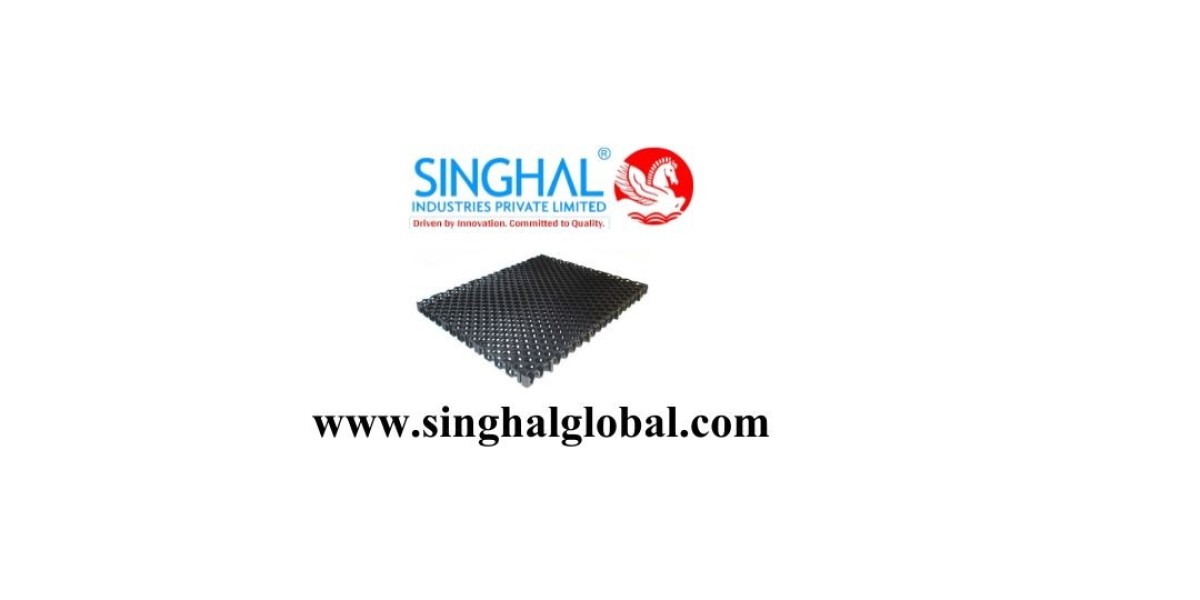
Drainage cells are a structured product designed with interlinking honeycombed voids serving as cell structures to transport water below hard or soft landscapes. It is widely used in rooftop gardens, green roofs, terrace or podium landscapes planter areas and similar applications.
Q2. What Are the Common Applications for Drainage Cells?
As a reminder, drainage cells are often given priority for areas where subsurface water management needs to be regulated. Common applications include rooftop gardens, green roofs, podium landscapes, terrace gardens, large planters, landscaped decks and recreational spaces and architectural landscaping.
Q3. How Does A Drainage Cell Help With Water Management?
The Drainage Cell forms voids within the landscape element, allowing excess water to move freely through it. When water passes through the growing medium and reaches the drainage layer, it can enter the intercellular air space and flow toward designated collection or discharge points.
Q4. Before you buy drainage cells, what factors should be verified?
Reviewing drainage capacity, frame area, dimensions, thickness and mechanical performance of the cells and type of materials that fit to the installation method are some elements that buyers must check before drainage cells purchase.
Q5. Who is the largest manufacturers of Drainage Cell?
Singhal Industries Private Limited is a manufacturer and supplier for geosynthetics and can be assessed in the categories of technical requirement & procurement. As for primary applications, it is also a good practice to confirm product specifications as well as securing engineering approval prior to mass installation.